
Key Dimensions:
Social

environmental
economic
Social
environmental
economic


Seattle, Washington, USA
Seattle shows generally strong but not flawless urban governance and integrity. The city charter and municipal code require open meetings, detailed council minutes, online publication of legislation, and public budget documents. The Mayor and City Council publish adopted budgets and capital plans with line-item detail and hold public hearings, and the City Clerk provides extensive digital access to ordinances and records. Oversight functions are ...
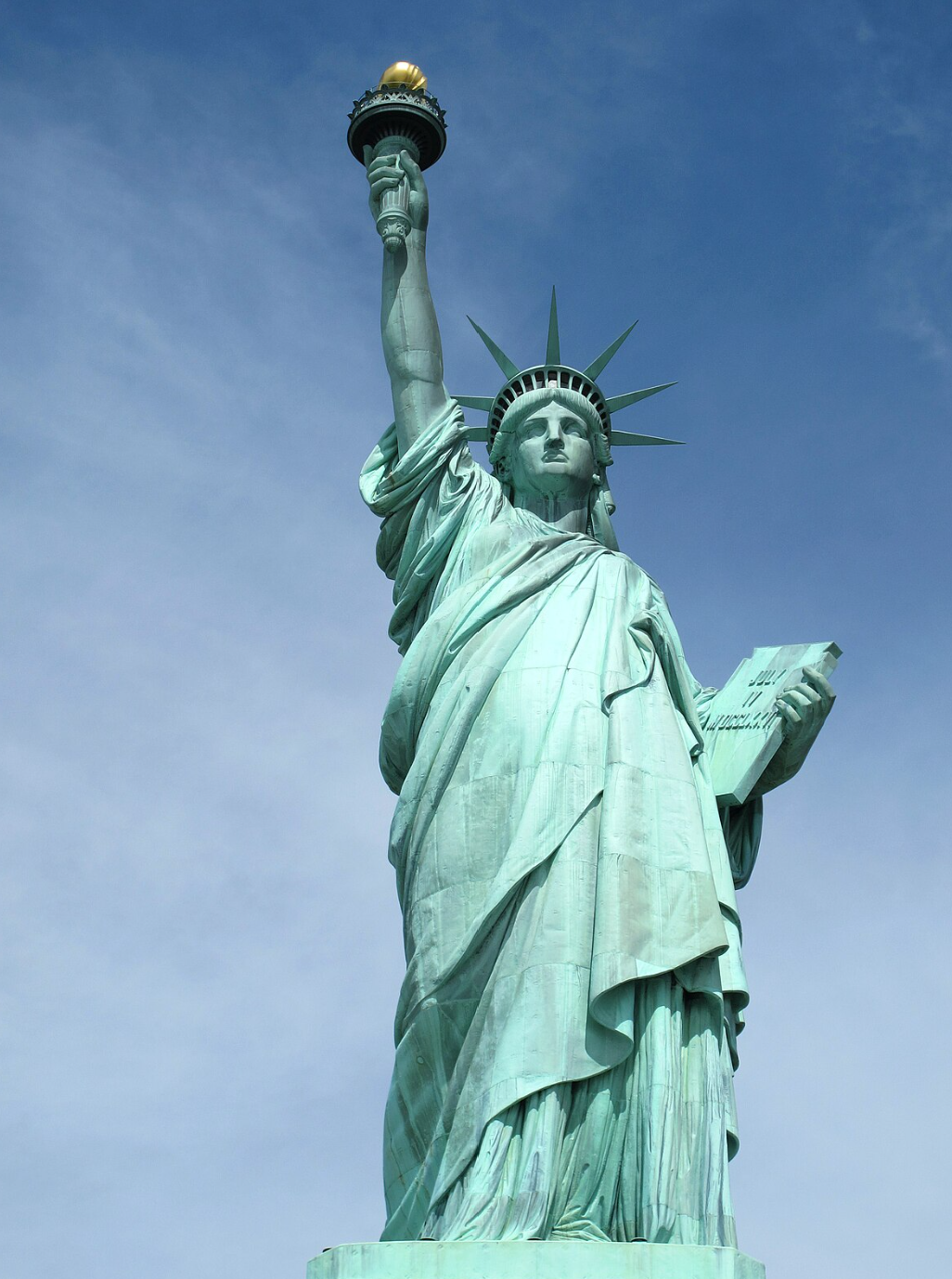
New York, New York, USA
New York City shows generally strong but imperfect urban governance and integrity. The city publishes detailed budgets, capital plans, and open data, and has multiple oversight bodies including the Department of Investigation (DOI), the City Comptroller, and ethics boards. Recent DOI reports highlight aggressive enforcement against bribery, contractor fraud, and conflicts of interest, along with systemic recommendations to agencies. The Comptroll...
Boston, Massachusetts, USA
Boston shows generally strong urban governance and integrity with robust transparency frameworks, active civic participation, and functioning oversight, though some notable gaps and recent tensions remain. Structurally, the city publishes detailed budgets, checkbooks, and contract data through its open data portal and budget transparency tools, and has been repeatedly recognized as a leading US city for open data and digital governance. The City ...
Boston, Massachusetts, USA
Boston shows generally strong urban education performance and learning ecosystems, with persistent and well-documented equity gaps. Boston Public Schools (BPS) report a 2023-24 four-year graduation rate of about 81 percent, up roughly 10 points over a decade, and reduced dropout rates, indicating structural improvement. Early childhood expansion through universal pre-K for 4-year-olds and growing 3-year-old seats broadens access, while per-pupil ...
New York, New York, USA
New York City has a very large and complex public education system with broadly good access but persistent inequities. NYC Department of Education data show high participation in early childhood programs such as 3-K and Pre-K, near-universal K-8 enrollment, and gradually improving high school graduation rates, now above 80%. The City also hosts a dense network of public and private universities, CUNY community colleges, libraries, and adult educa...
Seattle, Washington, USA
Seattle offers generally strong access to K-12 and higher education, with clear areas of inequity and some data gaps specific to the city. Seattle Public Schools (SPS) report high overall graduation rates, strong participation in advanced coursework, and a high share of teachers with full certification, while the city hosts major higher education institutions like the University of Washington and an extensive public library system that supports d...
Boston, Massachusetts, USA
Boston offers a strong business and investment environment, especially for knowledge-intensive sectors. The City of Boston reports more than 40,000 businesses and sustained job growth led by health care, education, professional services, and tech, supported by streamlined online licensing and permitting systems and proactive sector strategies. The Boston Planning and Development Agency (BPDA) and the Office of Economic Opportunity and Inclusion r...
New York, New York, USA
New York City offers a generally strong business and investment environment, driven by its scale, capital markets, and deep professional services base. The NYC Mayor's Office of Climate & Environmental Justice and NYCEDC cite more than 200,000 businesses and roughly 4 million private sector jobs in the city, with finance, tech, and professional services as major anchors. The city provides online portals for business registration and licensing (NY...
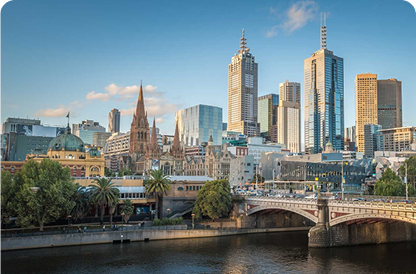
San Antonio, Texas, USA
San Antonio presents a generally favorable business and investment environment, particularly for small and medium enterprises, with some structural gaps in city-specific data. The City of San Antonio operates a centralized online portal for business permits and licenses, including an online Development Services system and SAePS vendor portal, and reports steady growth in business establishments and employment. The San Antonio Economic Development...
New York, New York, USA
New York City shows strong overall performance in digital readiness, backed by extensive broadband infrastructure, mature open data and e‑government systems, and substantial investment in digital inclusion. The NYC Open Data portal, MyCity portal, and 311 online/app services enable residents and businesses to access many government services digitally, while the Office of Technology and Innovation (OTI) coordinates citywide technology and cybersec...
Los Angeles, California, USA
Los Angeles has relatively advanced digital infrastructure and e-government tools but faces persistent gaps in affordability, adoption, and neighborhood-level equity. The city operates an Open Data portal with hundreds of datasets and has adopted a Data Literacy Program and AI policy, showing a maturing approach to data use and ethics. Broadband availability is very high citywide, and major investments are under way to expand fiber and municipal ...
Boston, Massachusetts, USA
Boston has relatively advanced digital infrastructure and smart-city systems, backed by strong institutions but with persistent equity gaps and some cybersecurity concerns. The City of Bostons Digital Equity in Boston report (2023) finds 92 percent of households have home internet, yet 15 percent of households below the poverty line lack any home connection and affordability remains a key barrier. The same strategy and Mayors 2022 Digital Equity ...
Boston, Massachusetts, USA
Boston shows generally strong but uneven performance on cleanliness and sanitation. Structurally, the city reports near-universal curbside trash and recycling collection, regular street sweeping, and robust wastewater treatment coverage. Boston Water and Sewer Commission (BWSC) operates separated sewer and stormwater systems and treats wastewater at regional plants meeting federal standards, with ongoing investments in CSO reduction and pipe reha...
New York, New York, USA
New York City provides near universal solid waste collection through the Department of Sanitation (DSNY), which serves all residential buildings, public litter baskets, and many institutions. Recent reforms such as curbside organics expansion and a new containerization mandate for businesses and large residential buildings aim to reduce trash on sidewalks and improve street cleanliness. However, diversion from landfill and incineration remains mo...
Los Angeles, California, USA
Los Angeles shows a mixed picture on cleanliness and sanitation. On the positive side, city data indicate that nearly all formal households receive regular trash collection, and the city operates extensive wastewater infrastructure that safely treats large volumes of sewage. The Bureau of Sanitation reports ongoing investments in water recycling, sewer rehabilitation, and stormwater quality projects, which help reduce pollution and protect public...
New York, New York, USA
New York City faces low risk of large-scale violent conflict but has notable localized tensions and uneven early warning capacity. Official NYPD statistics show declines in major crime since the early 1990s but a recent uptick in certain violent offenses and hate crimes, particularly antisemitic and anti-Black incidents, indicating persistent identity-based tensions. The NYC Commission on Human Rights documents thousands of discrimination inquiri...
Los Angeles, California, USA
Los Angeles faces structural risks for social conflict driven by housing unaffordability, homelessness, racial inequality, policing tensions, and climate-related stresses. LAPD data and media analyses show frequent protests, but most remain peaceful and are managed without large-scale violence. However, the 2020 George Floyd protests exposed how quickly tensions can escalate and highlighted deep mistrust in certain communities. The city has some ...
Boston, Massachusetts, USA
Boston shows generally low to moderate conflict risk, with strong institutions and active civil society but recurring flashpoints around policing, racial justice, housing, and campus-based protests. Structurally, Boston has a professional police department with published use-of-force and complaint data, formal civilian oversight, and bias-free policing policies. Crime and serious violence are relatively low compared to many large U.S. cities, red...
New York, New York, USA
New York City shows many signs of strong civic resilience but also deep social divides. Voter participation is relatively robust: in the 2020 general election NYC turnout reached about 62% of registered voters, up sharply from 2016, and city election reforms like early voting and expanded absentee options have eased access. The city has one of the largest participatory budgeting programs in the US; after a pandemic pause, NYC launched a citywide ...
Boston, Massachusetts, USA
Boston shows generally strong civic resilience and social cohesion, supported by high civic participation, dense community networks, and active neighborhood-level organizing. Structural indicators are positive: the 2020 general election saw turnout above 70 percent of registered voters in Boston, and city reports highlight robust participation in neighborhood associations, Main Streets districts, and community-based organizations. The Office of C...
Chicago, Illinois, USA
Chicago shows reasonably strong civic participation and rich community organizing traditions, but social cohesion is uneven and strained by segregation, gun violence, and mistrust in institutions. Mayoral/general election turnout has often been above many large U.S. cities, and the city operates one of the largest participatory budgeting ecosystems in the country through ward-level and school-based programs, which gives residents direct experienc...
New York, New York, USA
New York City shows serious stress in housing and land security despite having strong legal protections for tenure on paper. Official data from the city and state document historically high rent burdens: more than half of renter households spend over 30% of income on rent, and about one-third pay more than half, leaving many at risk of displacement. Vacancy rates for low-rent apartments are extremely low, while most new construction targets highe...
Los Angeles, California, USA
Los Angeles faces severe housing and land security pressures, with high rents, low vacancy, and large numbers of residents experiencing or at risk of homelessness. City and county data show tens of thousands of people unhoused on any given night, while rent burdens are among the highest in the United States. Tenant protections and anti-eviction measures have expanded in recent years, including rent stabilization, legal defense for some renters, a...
Boston, Massachusetts, USA
Boston has strong formal tenure security, clear land titling, and robust legal protections against arbitrary eviction under Massachusetts law. Most housing is formally registered, and there is no large-scale informal settlement sector. However, affordability and displacement pressures are severe. The Citys 2023-2024 Housing Boston plan notes Boston remains one of the nations least affordable markets, with rent and home prices far outpacing income...
New York, New York, USA
New York City faces significant environmental hazards, especially heat, flooding, and air pollution, but has relatively strong planning and regulatory systems. City hazard maps and climate assessments identify coastal storm surge, sea level rise, intense rainfall, and extreme heat as major threats, with clear documentation of vulnerable neighborhoods. The city has updated building codes, expanded green infrastructure, and invested in coastal defe...
Los Angeles, California, USA
Los Angeles faces significant environmental hazards, especially extreme heat, wildfire smoke, air pollution, and localized flooding, with strong planning frameworks but uneven on-the-ground outcomes. The Citys 2023 Climate Vulnerability Assessment and 2022 Hazard Mitigation Plan show that low-income neighborhoods in the San Fernando Valley, South LA, and Eastside experience higher heat exposure, tree canopy deficits, and worse air quality than we...
Boston, Massachusetts, USA
Boston faces significant but generally well managed environmental hazards. Structurally, the city has detailed multi-hazard planning: Climate Ready Boston, the 2024-2026 Heat Resilience Plan, coastal flood and storm surge maps, and a robust emergency management system. Sea level rise, coastal and riverine flooding, intense rain, extreme heat, legacy contamination, and air pollution from traffic and port activities are the main risks. City and sta...
New York, New York, USA
New York City has a large, relatively well resourced public health system, but outcomes and access are sharply unequal. NYC Health + Hospitals operates 11 public hospitals and over 70 community sites, and city data show most residents have health insurance, with adult uninsurance around 6-7%. Life expectancy has been recovering after steep COVID-19 losses, yet remains lower for Black and Latino New Yorkers and in poorer neighborhoods. The city re...
Boston, Massachusetts, USA
Boston performs strongly overall on public health, inclusion, and wellbeing, with notable but addressable inequities. Structurally, Boston residents benefit from world-class hospital capacity (Mass General Brigham, Boston Medical Center, Beth Israel Lahey) and high insurance coverage; the Massachusetts Health Connector reports state uninsured rates around 2.4 percent, among the lowest in the U.S., reflected in Boston-specific analyses. Boston Pub...
Chicago, Illinois, USA
Chicago shows a mixed picture on public health, inclusion, and wellbeing. The city has a large public health infrastructure, with strong hospital capacity, emergency services, and targeted programs for maternal and child health, infectious diseases, and chronic disease management. Life expectancy has begun to recover from a sharp drop during COVID-19, but remains highly unequal across neighborhoods, with gaps of more than a decade between affluen...
Los Angeles, California, USA
Los Angeles has relatively high basic service coverage but struggles with reliability, aging infrastructure, and large gaps between neighborhoods. Water and power utilities report near-universal household connections and major investments in resilience and clean energy. However, rolling blackouts during heat waves, water main breaks, and stormwater system limits highlight maintenance and climate stress. Public transport is expanding through new r...
New York, New York, USA
New York City has extensive infrastructure and public services, with near-universal access to core utilities and a dense, multimodal transport system, but faces reliability, equity, and maintenance challenges. Water is supplied 24/7 from a protected watershed, meeting or exceeding federal standards, though aging pipes cause leaks and occasional main breaks. Electricity reliability is high by U.S. standards but recent extreme weather has produced ...
Boston, Massachusetts, USA
Boston performs strongly on core infrastructure and mobility, with some inequities and reliability issues. Water delivery is robust: the Massachusetts Water Resources Authority (MWRA) reports 100 percent of Boston residents served with treated drinking water, high compliance with federal standards, and significant capital investments in pipelines and treatment, keeping leakage and service interruptions low. Electric reliability is also strong: Ev...
New York, New York, USA
New York City has an extensive network of parks, street trees, and urban nature projects backed by strong institutions, but faces equity, quality, and climate-resilience gaps. The city reports roughly 7 million trees across all land uses and about 35,000 acres of NYC Parks-managed land, including nearly 10,000 acres of forest and woodland, making it one of the largest urban park systems in the United States. Citywide tree canopy was estimated at ...
Philadelphia, Pennsylvania, USA
Philadelphia has a relatively strong foundation in green infrastructure and urban ecology, but performance is uneven and some key targets are off-track. The city completed a comprehensive tree canopy assessment and set a goal in its 2025 Philadelphia Urban Forest Strategic Plan to increase canopy from about 20% to 30% by 2050, with a focus on low-canopy, hotter, and lower-income neighborhoods. However, the plan acknowledges that citywide canopy d...
Boston, Massachusetts, USA
Boston has relatively strong green infrastructure and urban ecology, underpinned by a mature park system, ambitious climate strategies, and measurable urban forest targets. The 2023 Climate Action Plan Update and the 2024 Urban Forest Plan commit to growing canopy, prioritizing heat-vulnerable and historically underinvested neighborhoods, and expanding nature-based stormwater solutions. City data and peer-reviewed work show overall canopy around ...
New York, New York, USA
New York City shows generally strong but uneven performance in employment and workforce development. As of late 2024, NYC unemployment is relatively low by historical standards, though still above the state average, and has recovered significantly from the COVID-19 shock. The NYC Workforce Development Board and Mayor's Office of Talent and Workforce Development coordinate a large ecosystem, including the "Jobs NYC" and "Pathways to an Inclusive E...
Los Angeles, California, USA
Los Angeles shows a mixed picture on jobs and workforce development. The city and county have built a large workforce system with multiple job centers, youth employment programs, and sector partnerships, and unemployment has fallen significantly since the COVID-19 peak. However, overall labor market outcomes remain uneven, with high rates of low-wage work, pronounced racial and geographic disparities, and rising housing costs that outpace wage ga...
Boston, Massachusetts, USA
Boston shows strong overall employment and workforce development outcomes but with clear equity and enforcement gaps. The citys 2024 Labor Market Report finds a 3.0 percent unemployment rate in Boston compared to 3.6 percent statewide, with strong job growth in health care, tech, education, and professional services and a labor force participation rate around 71 percent, well above the U.S. average. However, Black and Latino residents face unempl...
New York, New York, USA
New York has a dense network of protections, institutions, and funding streams that strongly support cultural heritage and identity while still facing equity and displacement challenges. The NYC Landmarks Preservation Commission lists over 1,400 individual landmarks, 121 interior landmarks, 11 scenic landmarks, and more than 157 historic districts, offering robust legal protection for built heritage. The citys Department of Cultural Affairs (DCLA...
Boston, Massachusetts, USA
Boston has a comparatively strong cultural heritage and narrative ecosystem anchored by robust public institutions, substantial cultural funding, and explicit commitments to inclusive storytelling, but with ongoing debates over gentrification, representation, and whose histories are foregrounded. Structurally, the Boston Landmarks Commission maintains a local register of hundreds of protected districts and individual landmarks, while multiple Nat...
Philadelphia, Pennsylvania, USA
Philadelphia has a strong cultural heritage and creative identity built around its Revolutionary-era sites, African American history, arts institutions, and neighborhood cultural life. The city hosts 67 National Historic Landmarks, including Independence Hall, a UNESCO World Heritage Site, and more than 11,000 properties on the local historic register, indicating substantial formal protection of built heritage. A dedicated Office of Arts, Culture...
 Live Intelligence
Real-Time City Signals
Monitoring the forces reshaping modern urban ecosystems through data-driven intelligence focused on resilience, connectivity, and sustainable growth.
REAL-TIME URBAN INTELLIGENCE
From mobility and energy to governance and climate adaptation, our platform identifies emerging urban patterns and system-level risks before they reshape communities.
Measuring the right indicators is key to building sustainable and resilient cities. It helps guide smarter decisions that protect the environment and improve quality of life. Together, we can create urban futures that thrive amid change.

Urban Governance and Integrity
This pillar evaluates how reliably institutions hold under pressure: whether rules are clear, enforcement is credible, and decisions consistently advance public interest. It considers procedural fairness, the transparency of information flows, and the capacity of administrative systems to respond to citizens without distortion, delay, or political interference.
Urban Education, Learning Ecosystems, and Knowledge Equity
This dimension traces how effectively opportunity moves through a city’s learning landscape. It reviews the reach and quality of schooling, the resilience of learning pathways, and the ease with which residents access knowledge regardless of income or geography. High-performing cities weave schools, libraries, digital platforms, and vocational centers into a coherent ecosystem that strengthens human capital across generations.
Business and Investment Environment
This pillar assesses the stability and predictability of the commercial landscape. It reviews regulatory coherence, contract enforcement, licensing efficiency, equitable taxation, and the accessibility of investment channels. Strong scores signal environments where entrepreneurs face minimal arbitrary barriers and investors can pursue long-horizon strategies with confidence.A system for measuring city performance, risk, and investment readiness across integrated urban domains.
Reveals the hidden fractures and strengths shaping urban life.
Flags conflict, climate, and governance threats before they erupt.
Transforms data into strategic clarity for leaders.
Places justice, trust, and inclusion at the core of progress.
Equips cities to act with foresight, resilience, and purpose.
The world’s first AI-powered platform that unifies regenerative intelligence with investment-grade urban insight.
Veridian Urban Systems (VUS) is the world’s first AI-powered platform that unifies regenerative intelligence with investment-grade urban insight, reading cities as integrated living systems while translating that complexity into clear, actionable, investment-ready foresight. It blends regenerative design, advanced analytics, governance expertise, and conflict-risk modeling to give governments, multilaterals, and investors a single, reliable source of truth about urban resilience, risk, and opportunity. VUS goes beyond diagnostics by identifying where a city can absorb capital, where governance systems are stable, where disruption pressures may emerge, and where reforms are strengthening investability. Through 14 interconnected pillars and hundreds of adaptive indicators, the platform converts political, environmental, social, and infrastructural signals into intelligence that reduces uncertainty and enables disciplined strategic decision-making. Powered by AI that learns from each city’s economic, social, ecological, and institutional patterns, VUS detects vulnerabilities, highlights leverage points for reform, and anticipates trajectories well ahead of traditional forecasting models. It provides sector-specific investability, governance-reliability profiles, conflict-disruption probability curves, infrastructure-readiness assessments, and forward-looking climate-security insights unavailable elsewhere. Guided by a global network of urbanists, scientists, technologists, financiers, and policy strategists, Veridian builds ethical intelligence systems that restore trust, enhance predictability, and reveal the real conditions under which cities become stable, competitive, and future-ready. More than smart technology, VUS is a decision-support engine for mayors, ministers, and markets—turning fragmented urban data into clarity, confidence, and strategic advantage, making cities legible, investable, resilient, and self-renewing.
Read MoreVUS makes cities legible, investable, resilient, and self-renewing. Experience urban intelligence that sees both risk and possibility.

A City-360° diagnostic and prediction engine for governments and investors.
The Veridian Urban Index (VUI) is the flagship intelligence system behind VUS—a City-360° diagnostic, prediction, and investment-readiness engine built for governments, philanthropies, multilaterals, and businesses. It reads the urban environment as a dynamic organism where infrastructure, ecology, trust, mobility, memory, and governance shape one another, and it turns this complexity into decision intelligence rather than rankings. Drawing on satellite imagery, sensor networks, administrative systems, financial signals, and citizen input, the VUI identifies the conditions that influence capital absorption, regulatory stability, conflict exposure, service performance, and long-term resilience. Its fourteen interconnected pillars and eight hundred indicators track governance reliability, institutional legitimacy, climate vulnerability, equity, economic vitality, and social cohesion, translating them into bankability profiles, sector investability, corridor-level opportunity maps, and forward-looking risk scenarios. Leaders gain a mirror that shows their city’s full systemic reality and a compass that guides reforms, resource allocation, and capital attraction with precision. Instead of static scorecards, the VUI offers living intelligence—predictive, adaptive, ethically designed, and grounded in how cities evolve, endure, and create value.
The VUI gives cities both a mirror and a compass—a mirror to understand their full systemic reality and a compass to guide reforms, allocate resources, and attract capital with clarity and precision. For cities, it exposes system performance and bottlenecks; for businesses, it reveals market readiness, investment windows, and operational risk; for philanthropies, it identifies the leverage points where funding shifts outcomes at scale; and for multilateral institutions, it strengthens due diligence, de-risks lending portfolios, and improves policy targeting. It replaces static indices with living intelligence—predictive, adaptive, ethically built, and grounded in how cities actually evolve, endure, and create value.
It is a long established fact that a reader will be distracted by the readable content of a page when looking at its layout.

Commission a structured, expert-driven evaluation of a city using the Veridian Urban Index framework.
Explore indices, dashboards, and comparative analytics across cities, pillars, and time.
Partner cities
It is a long established fact that a reader will be distracted by the readable content of a page when looking at its layout.